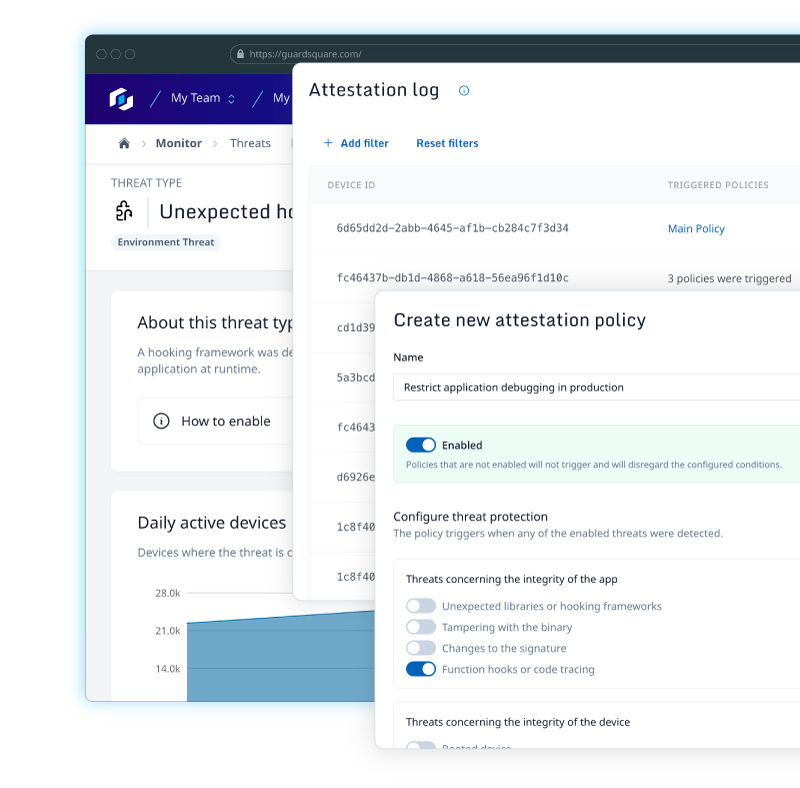
Mobile API security: Prevent abuse and automated bot attacks

Ensure API integrity

RISING API ABUSE

Mobile fraud attacks exploit vulnerable APIs

Modern mobile apps require modern mobile API defenses
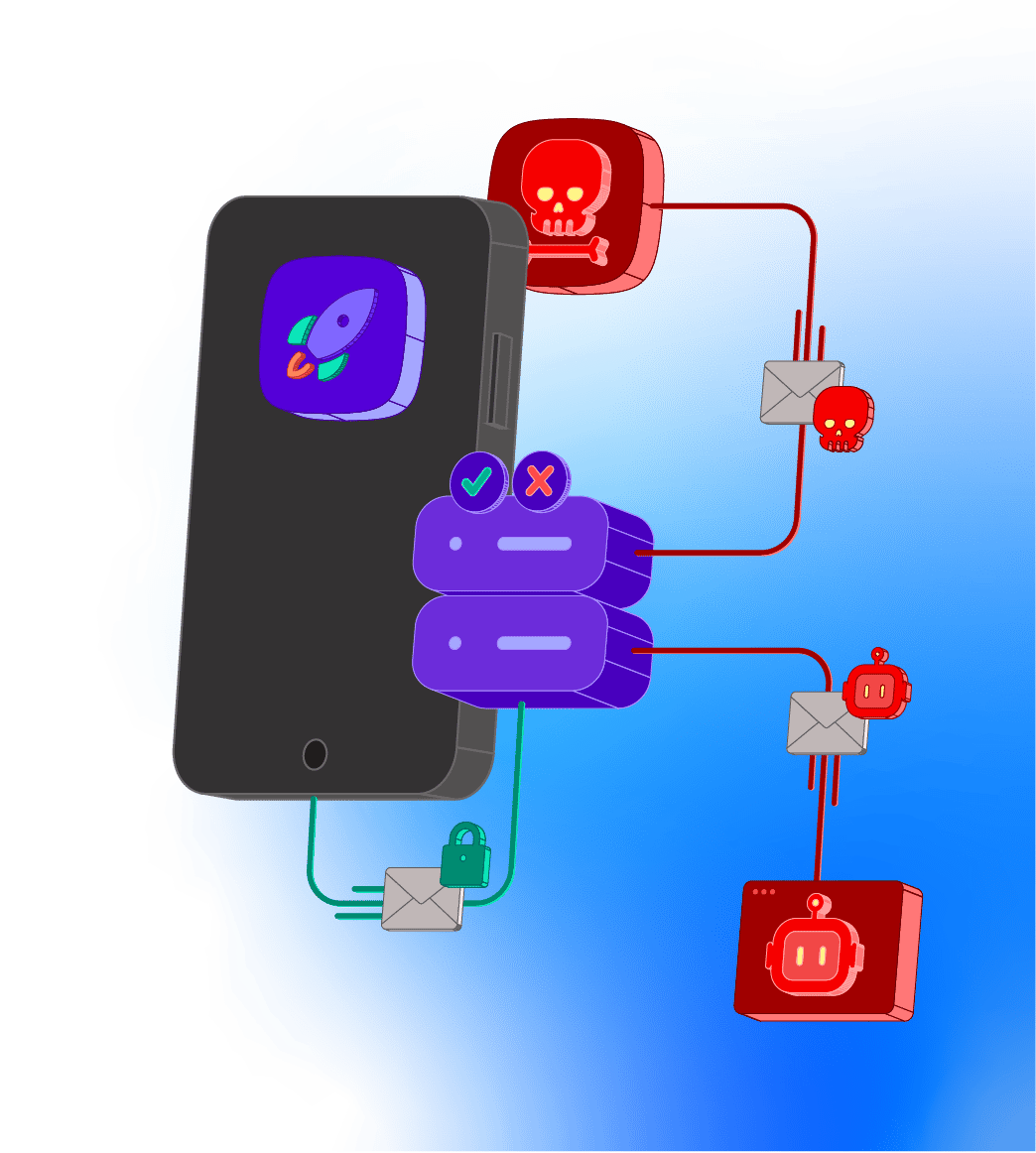
  • Many mobile attacks now bypass the client-side app and directly target backend systems via unprotected mobile APIs.
  • A malicious bot, agent, emulator, or modified app can send requests that mimic legitimate traffic and commit some form of fraud.
  • Closing this security gap requires verification at the API boundary. Systems need a way to confirm that requests come from legitimate apps running in trusted environments.
01_API-SECURITY-L_GRID-VULNERABILITIES-02
002_API-SECURITY-R_GRID-API-SECURITY-002
PREVENT AUTOMATED ATTACKS

Guarantee it’s your app before it interacts with your APIs

Dedicated app attestation capabilities stop mobile API fraud attacks and strengthen trust in backend systems.

  • Validate application and device integrity: Establish trust before granting access to your APIs. Allow only legitimate applications to interact with your APIs.
  • Block bots and non-genuine apps: Fine tune specific security policies that identify bots and malicious clones attempting to access your APIs while eliminating false positives.
  • Gather real-world threat data and act instantly: Collect actionable insights about suspicious users and devices. Adapt policies in real time to respond to threats without app updates or user friction.
SECURE API KEYS FROM LEAKS

Protect mobile API keys from leaks and unauthorized access

Safeguard your application credentials and backend endpoints against leakage, reverse engineering, and breaches.
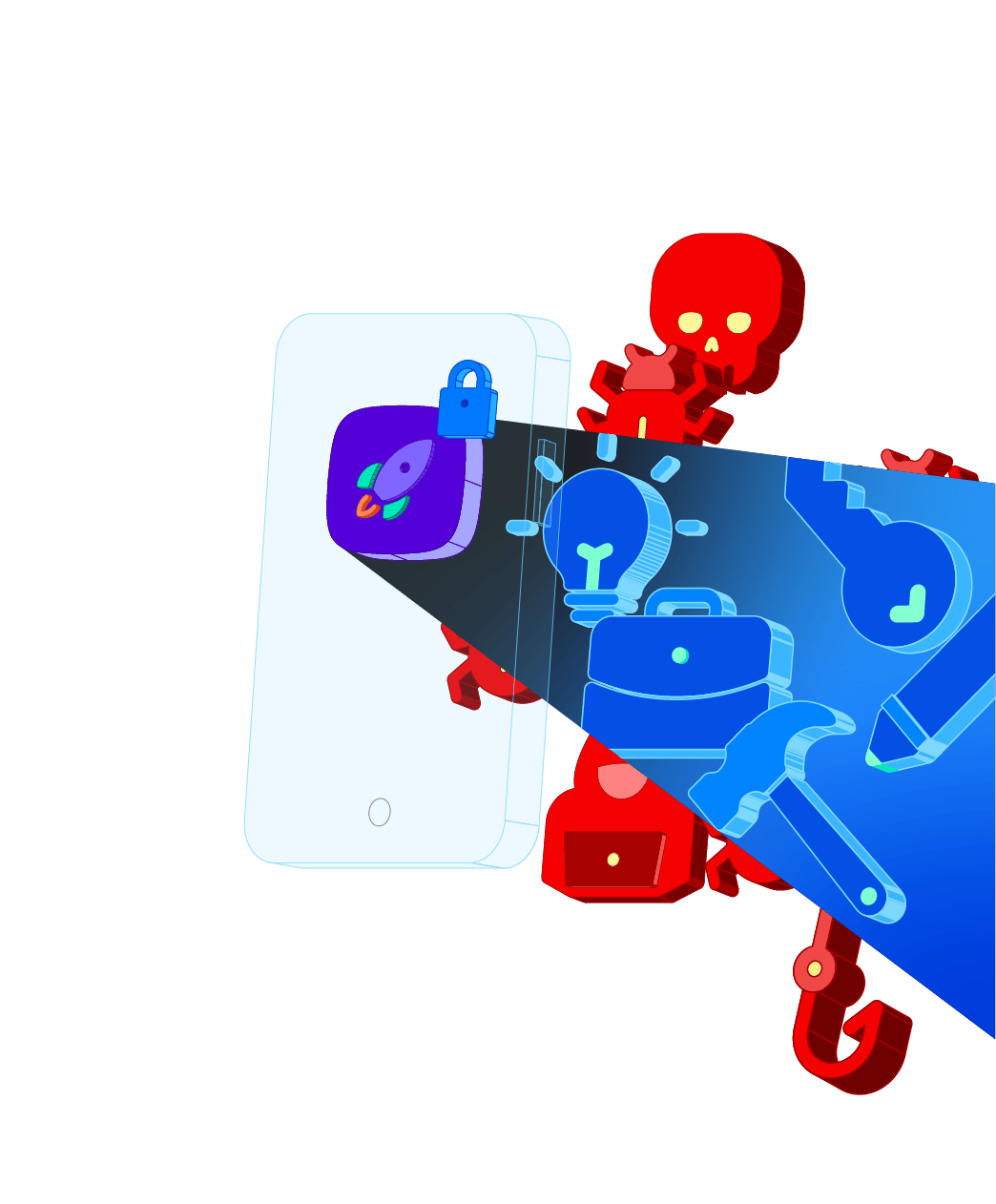

  • Prevent client-side key exposure: Eliminate credential leaks by keeping secrets off the client side and using multi-layered code obfuscation to shield application logic from static analysis.
  • Block runtime interception and exploitation: Deploy RASP defenses like anti-debugging, anti-tampering, and SSL pinning to prevent man-in-the-middle (MITM) attacks and stop malicious API abuse in real time.
03_API-SECURITY-L_GRID-LEAKS-02
API-SECURITY-ICON-300
Secure API endpoints

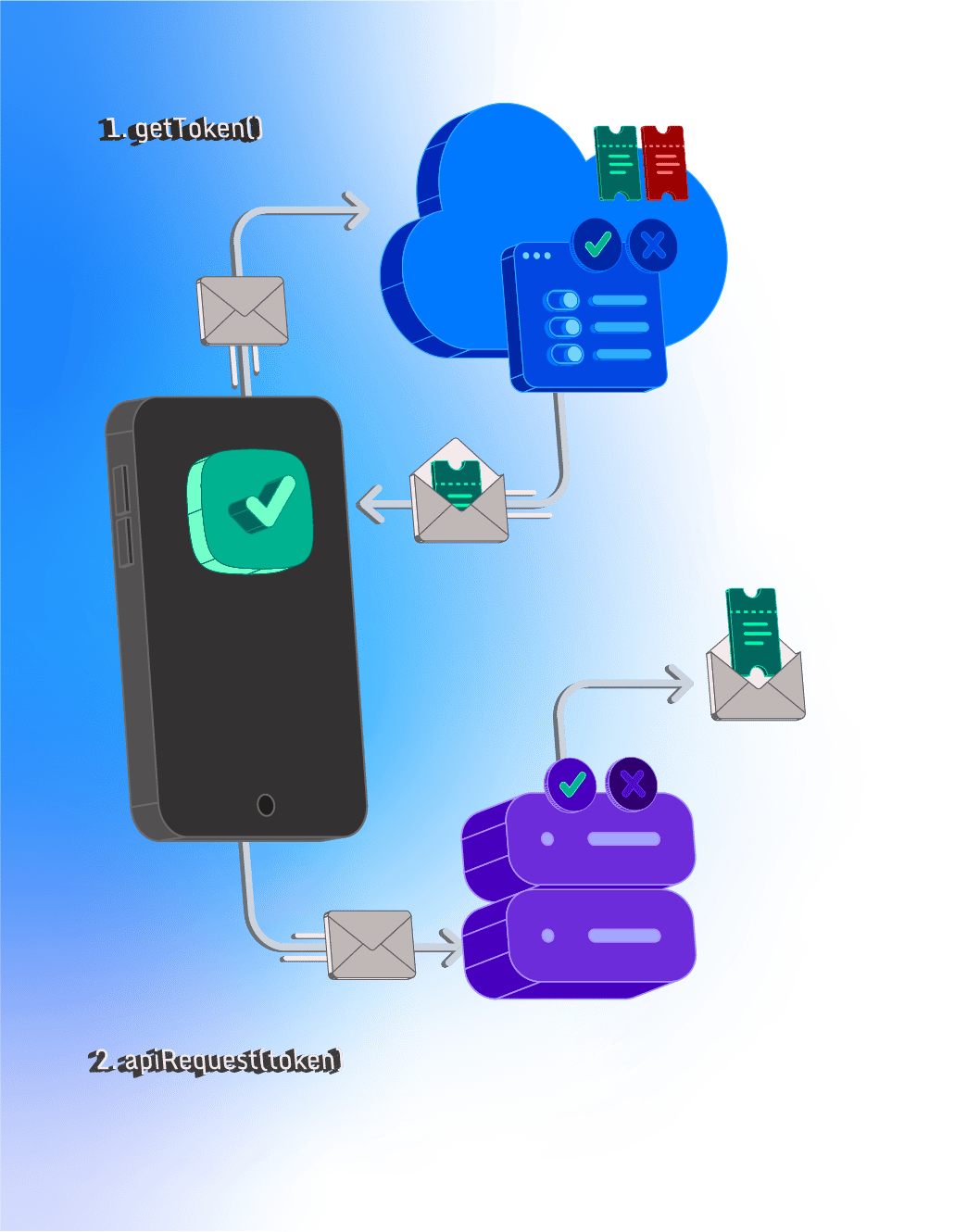
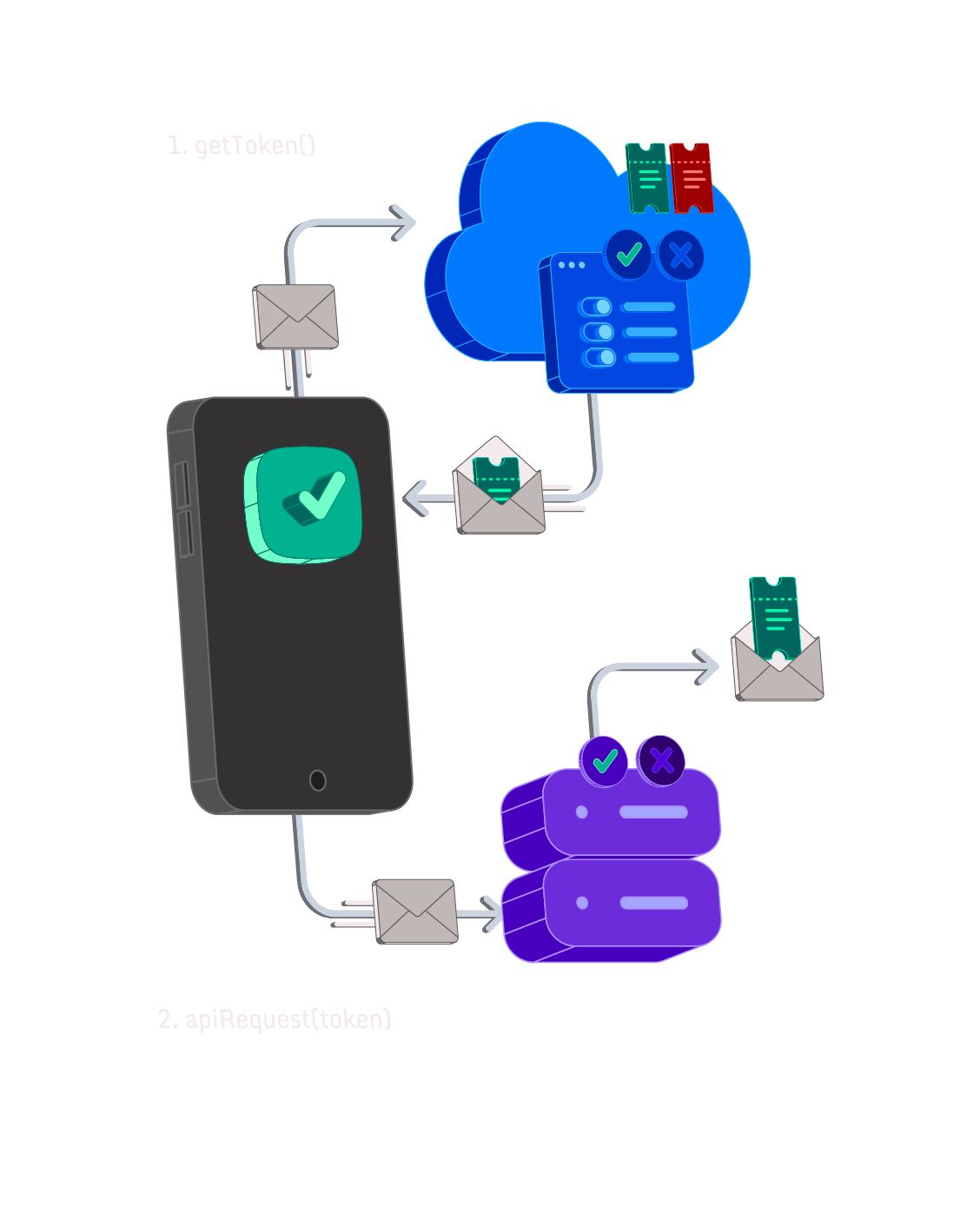
Verify it’s a genuine app interacting with your servers by issuing a unique token that grants access depending on security policies you define.

DATA-ICON-300
Gain data-based insights

Leverage threat intelligence to stay ahead of emerging attack vectors. Incorporate real-world insights into your protection strategy.

SERVER-SIDE-CONTROL-ICON-300
Ensure server-side control

Manage security policies on the server side to instantly update protections against new threats without deploying a new version of your app.

Start protecting your mobile apps from API abuse with Guardsquare today

Mobile APIs are becoming the primary attack vector

Attackers are increasingly targeting APIs to gain access to the treasure trove of data behind the server side.

0%
of API breaches originate from legitimate sources.

0%
of advanced bot activity now specifically targets APIs.

0K+
API security incidents across 4,000+ environments in H1 2025 alone.

0%
of organizations have experienced an API security issue in the past year.

How to secure mobile APIs

End-to-end mobile app protection

Guardsquare covers mobile app security from client-side protection to server-side validation.
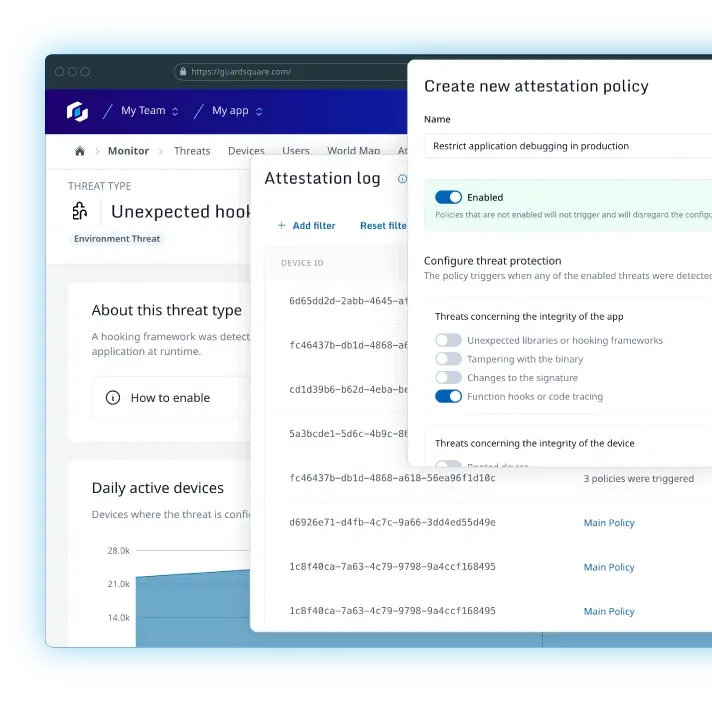
ThreatCast ANDROID & iOS

Free real-time threat monitoring

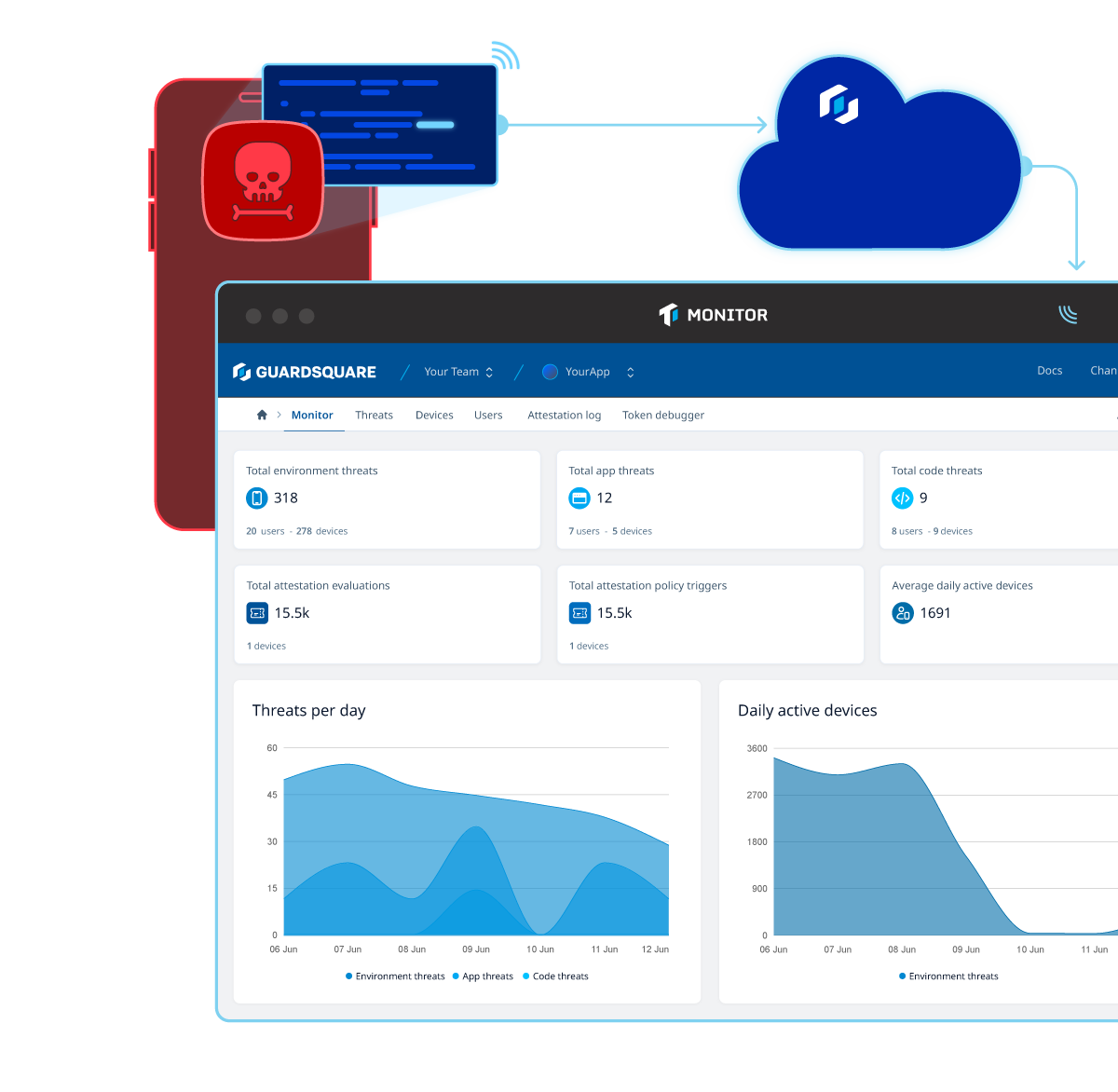
Monitor threats to mobile apps & SDKs in real time, adapt security configurations & identify security gaps & vulnerabilities post-publication.

DexGuard ANDROID & iOS

Free real-time threat monitoring

Secure native Android and cross-platform apps and SDKs with DexGuard, offering multilayered, polymorphic obfuscation and built-in runtime application self-protection (RASP).

Mobile app API security is centered on protecting the endpoints of your application and its servers from outside threats and attacks to maintain integrity within your application.

DexGuard, iXGuard, app attestation, and ThreatCast each address API security in mobile apps in different ways. DexGuard and iXGuard focus on protecting API keys and secrets, while app attestation verifies the app and its user before an API request is sent to your servers. ThreatCast monitors your application and identifies threats (like bot attacks) in real time.

Mobile app attestation is a way to verify that a request to your server is coming from a genuine, unmodified instance of your mobile application, and not from a bot, a compromised device, or a malicious actor using a modified app.

Common threats to mobile API security include, but are not limited to: scaled bot attacks, man-in-the-middle (MITM) attacks, automated scripts, API key extraction, app clones, and tampered or repackaged apps.

Depending on the region or industry and its regulations, it can be a requirement. Some examples include PCI DSS for apps that handle cardholder data, HIPAA healthcare regulations (US), GDPR data privacy protections (EU), and SOC 2 Compliance for B2B mobile apps. Overall, developers should also refer to the latest OWASP Mobile Application Security (MAS) and OWASP API Security standards and guidelines.